
How Change Happens Beyond the Classroom: A Q+A with Former GCE-US Youth Advocate Eliana Stanislawski
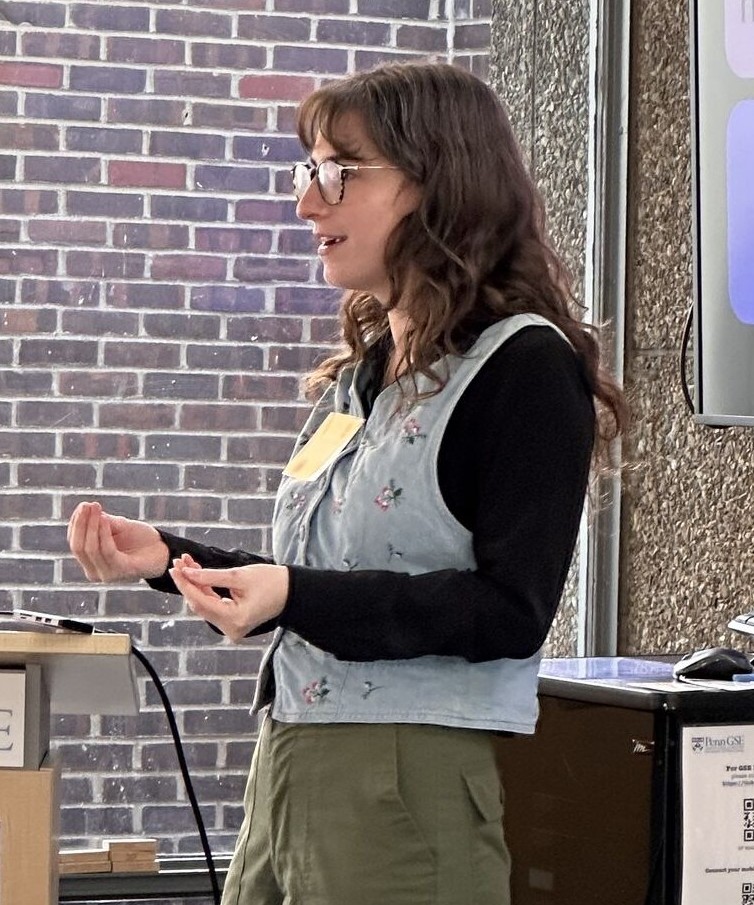 GCE-US Youth Alumna, Eliana Stanislawski, is a Professional Development Specialist at World Education, where she supports adult education practitioners across programs. With over a decade of experience in education, advocacy, and refugee support, her work focuses on strengthening systems that better serve refugee and immigrant learners. 2025 GCE-US Youth Advocate, Divine Irakoze, spoke with Eliana about her journey, lessons, and perspectives on refugee education.
Tell us about yourself and your current work.
As a Professional Development Specialist at World Education, I support adult education practitioners in accessing the digital literacy tools and resources they need. I’ve been in education for about 15 years, working across advocacy, teaching, curriculum design, and program management. My path has never been direct; it’s been a winding journey that started with GCE-US when I was 16 and has grown over time. After teaching adult ESL and working in refugee education, now I focus on strengthening systems and supporting educators at scale.
How did your experience with GCE shape your path?
I started with GCE-US as a research fellow when I was very young. I would leave school, take the metro, and go into the office to support research, events, and working groups. I came into that work through School Girls Unite, where I was involved in advocacy for girls’ education and later became president of my high school chapter. That experience led me to GCE-US. At the time, I didn’t fully realize how much it would shape me, but it helped me understand education through a global and systemic lens. It gave me early exposure to advocacy and showed me how change happens beyond the classroom.
What inspired your work in refugee education?
My inspiration comes from my family background. My grandparents were refugees and Holocaust survivors who fled Poland and rebuilt their lives in Canada. Later, in university, I worked with the Worcester Refugee Assistance Project, where I supported refugee families through education programs. I built strong relationships with families and became a part of their community. I supported students in school, worked with parents, and helped families navigate systems. During that time, those same families supported me as I underwent my cancer treatment. This experience made the work even more personal.
How can advocacy improve education for displaced communities?
Advocacy is essential because refugee communities are often under-resourced and don't receive the support they are entitled to. It can happen at many levels, from supporting families directly to influencing policy. But the most important thing is that advocacy is participatory. It should empower people to speak for themselves, not have others speak on their behalf. When done intentionally, advocacy can challenge harmful narratives, address systemic gaps, and create more equitable opportunities.
What experience are you most proud of?
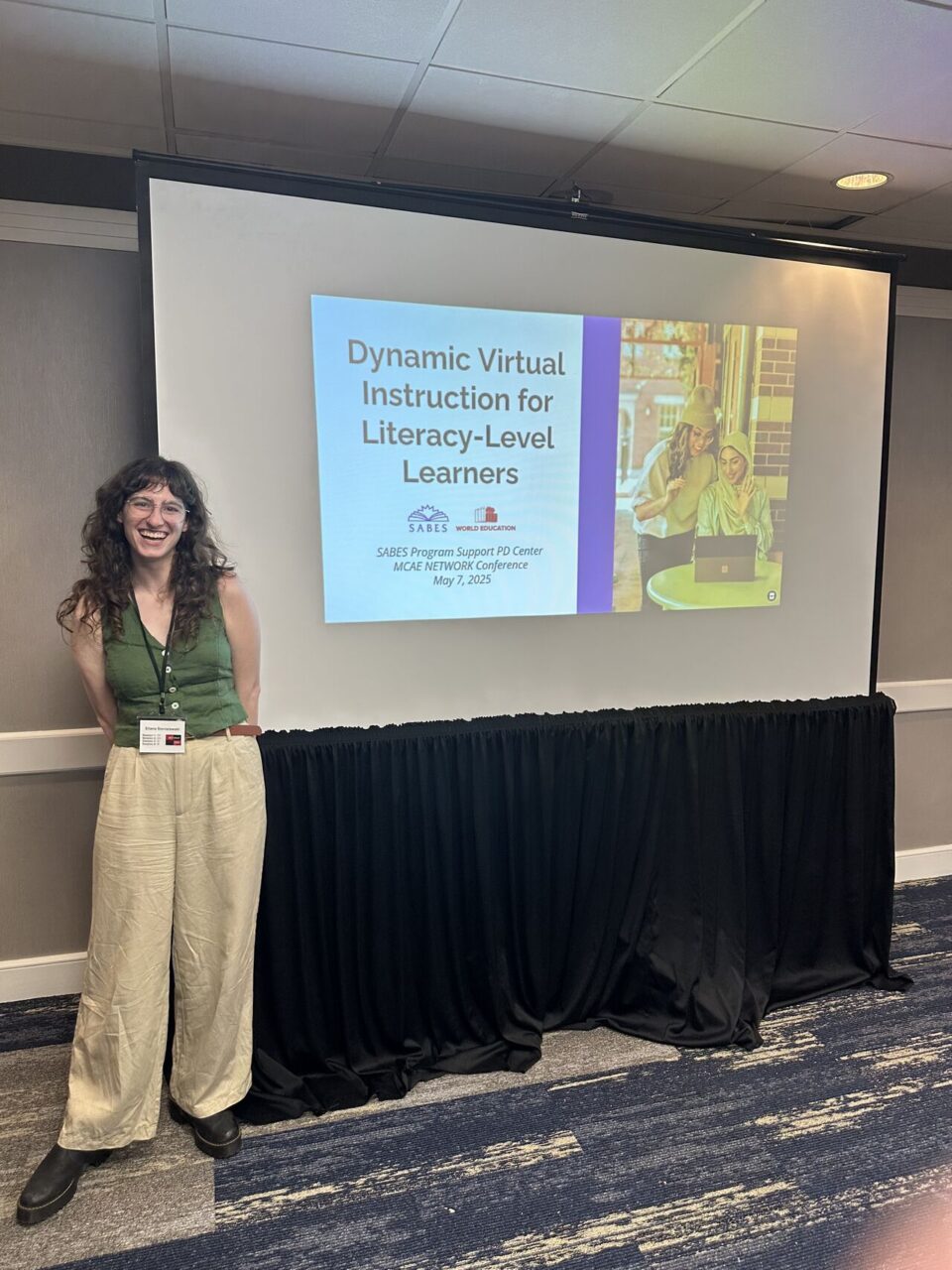
One experience I’m especially proud of is developing an approach to teaching literacy-level adult learners online. These were students who could not read or write in any language and were learning English remotely, often while raising young children. I had to design curriculum, train volunteers, and figure out how to teach foundational literacy in a remote program model from the beginning. I developed a framework focused on access, creative media, and practical engagement. Years later, I now train other educators to use that approach. It began with refugees learning English as an additional language, but it has since expanded to support broader adult education contexts.
What are the biggest barriers refugees face in accessing education?
The barriers are often structural. Refugees, who have recently been resettled in the United States, are navigating housing, work, healthcare, and legal systems at the same time, so education is understandably not always the immediate priority. Programs are also not always flexible enough to meet their needs, especially with strict attendance policies. In addition, trauma plays a significant role. Learning, especially language learning, requires vulnerability, and many learners are navigating ongoing stress, past trauma, and current challenges affecting their families.
What role can young people play?
Young people have an important role, whether through leadership within their communities or by supporting organizations. They can volunteer, provide language or technology support, and help expand access to programs. If they have access or privilege, they can also use their voices to amplify others, ensuring that people with lived experience are heard and centered.
What gives you hope about the future of refugee education?
What gives me hope is people. I’ve seen learners who could not write their names learn to do so through supportive, patient pedagogy, resilience, and commitment. I’ve seen students who doubted their ability to learn as adults become leaders in their classrooms and continue their education. Those moments may seem small, but they are transformative. Systems don’t always give me hope, but people do. Education is a pathway to change, and hope is something we practice. It doesn’t appear on its own, we build it, especially through community.