

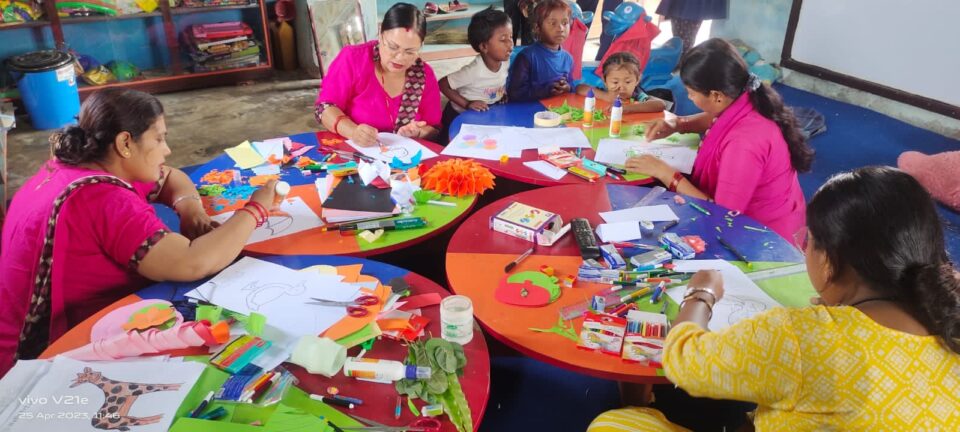
GCE-US member Educate the Children-Nepal will begin their sixth multi-year program cycle in a new set of villages this summer. They will, as always, ensure that the communities they serve are fully engaged and involved throughout, from planning to implementation to evaluation.
Sounds great in theory, but what does it mean in practice?
It means that they are already conducting a pre-cycle baseline study to understand current conditions, with the goal of prioritizing and funding the activities to be undertaken over the next five years. They’re observing the facilities as they are now and asking headmasters, teachers, and parents for their opinions about such topics as:
- What types of supplies and furniture are needed,
- What types of training the teachers need and want to help them do their jobs better,
- The extent to which the parents are/feel able to be actively supportive of their children’s educational experiences,
- What the attendance and dropout rates are like, and
- Whether there are any extracurricular activities already available.
It means that they’ll begin holding school-wide parent meetings early on. This is crucial to engage parents in ensuring that their children attend regularly and come prepared with the necessary supplies and uniforms (they help with that too!). Parents are also encouraged to keep track of their children’s progress and to communicate with the teachers. Many parents choose to become actively involved in the School Management Committees, which are something like Parent-Teacher Associations here in the U.S.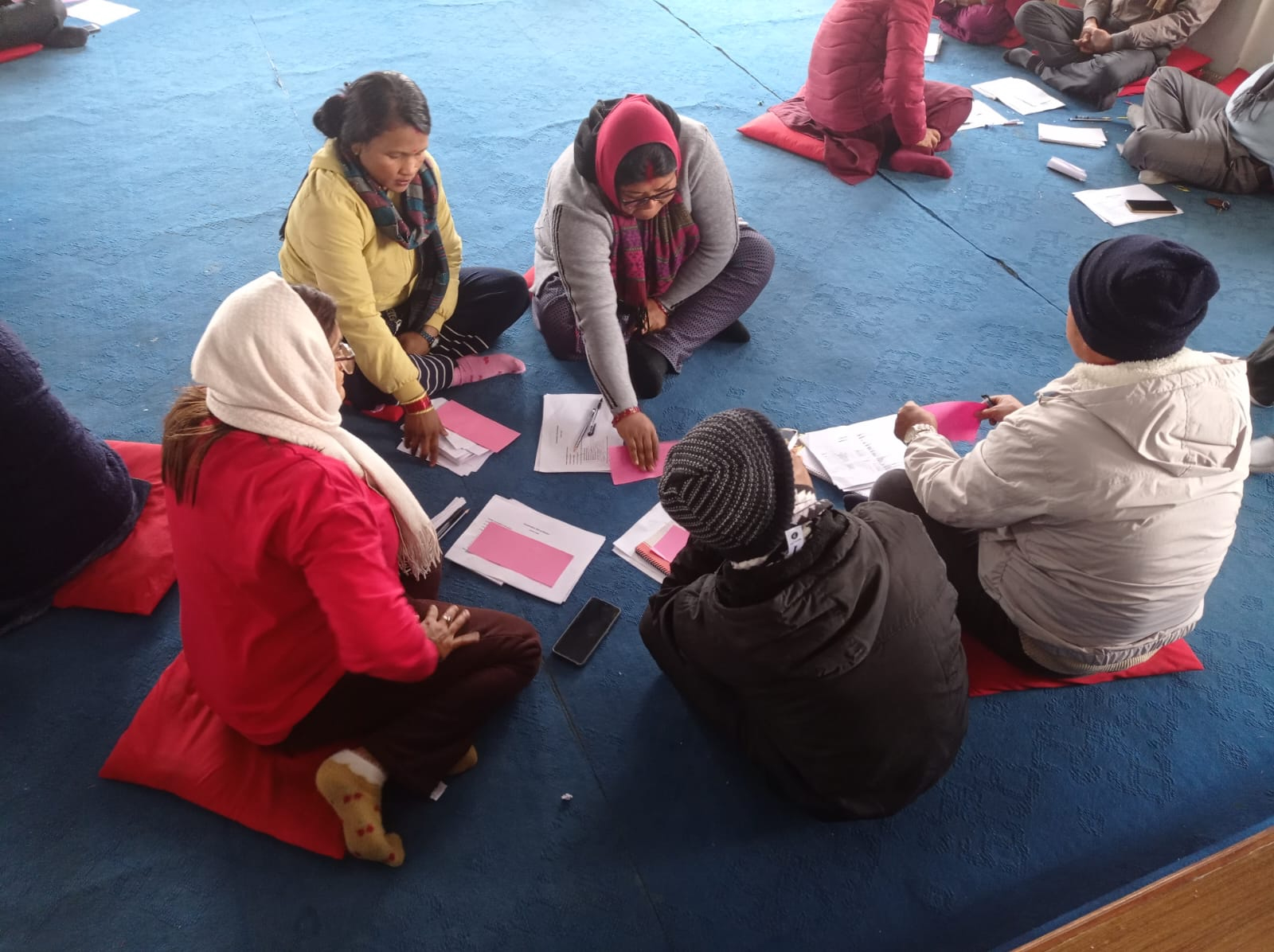 It means that they provide useful classroom materials and furniture (first aid supplies, white boards, shelving, tables, puzzles, maps and charts, etc.). They do this from the earliest stages of a program cycle and according to the most pressing needs of each school, so that the learning spaces are more engaging and comfortable right away.
It means that they establish headmasters’/principals’ networks consisting of the leaders of each school with which they’re working. These groups meet multiple times per year, allow for the sharing of successes and challenges, and offer a framework for determining the timing and order of larger-scale activities such as building improvement/renovation work or playground equipment installation.
It means that they plan and carry out multiple teacher trainings every year. These multi-day trainings are aimed at teachers of English (a very high-demand subject!), math, science, early childhood (pre-k and kindergarten), and more.
It means that they distribute supply-filled backpacks to hundreds of students each year. This is especially useful for students from families for whom the financial burden of buying these items might lead to lack of attendance or even dropping out to begin working or marry very early in life.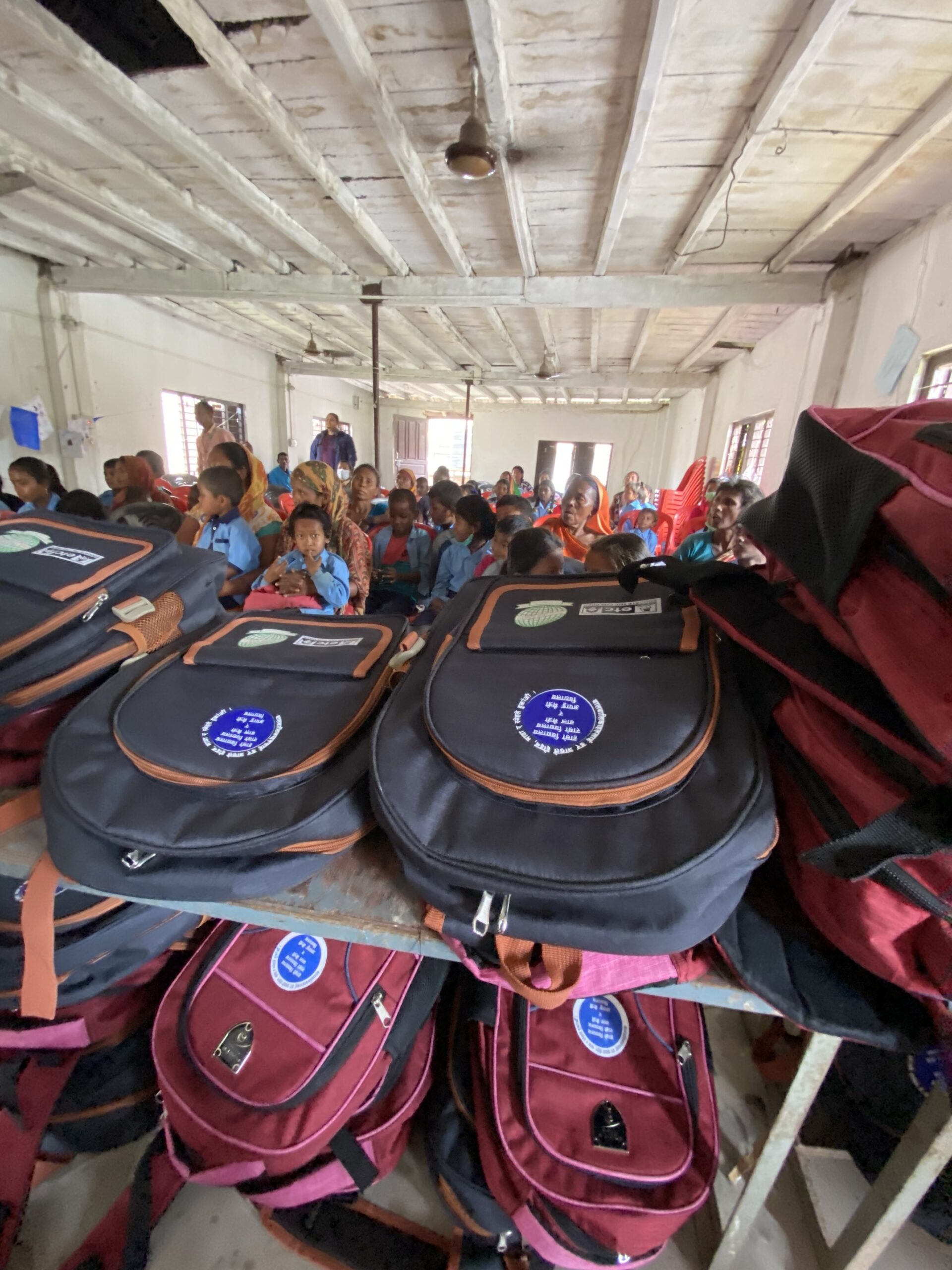 It means that they’ll offer a variety of enriching and fun extracurricular activities each year, including volleyball and quiz competitions, art workshops, and much more. These are sustainable indefinitely through the child clubs that we’ll help establish at each school.
Throughout the five coming years, they’ll ask for and listen to the parents, teachers, and headmasters to ensure that the support ETC offers is effective, making any adjustments that may be needed along the way.
ETC is confident that this work will once again meet with success – as measured by lower student dropout rates, greater teacher job satisfaction, and increased parental engagement in their children’s academic progress – both during and for years after the program cycle.
And they know that “one hand does not clap” and that ETC could not do any of this without the full involvement of the communities they serve!